

The Top 3 Rental Property Problems landlords should watch out for!
Letting a property can be a right headache at the best of times but having been in property for over 10 years I have noticed there are some common rental property problems landlords run into. By tackling these potential problems proactively before they become a bigger problem, landlords not only save time and money but can also improve their relationship with tenants.
I would be doing a disservice to the tenants out there if I were to say that often problems in properties were caused by the tenants themselves. It does happen, sometimes a tenant does something wrong either accidentally or through negligence, but it is usual. Let’s face it even as a homeowner you are bound to have encountered property issues in your own home and the same is true of your rental properties. If you as a Landlord can hold your hand up and admit that you have never had to sort out a problem in either your rental property or your own home then I will be impressed.
So, what are common problems in rental properties?
Maybe this blog should be part one of subsequent blogs because more things will come up as time goes on. I am bound to have missed something that I will later add in a follow-up blog. But trust me I have seen it all in property so whatever the issue is you can be assured that at Bright Star we will not be shocked.
Rental Property Heating
 It seems every house, and every landlord has a different heating system or way of setting it up. It’s the question most commonly asked by tenants in the first few weeks of moving into a new property. How do we change the heating? Why aren’t the radiators coming on?
A straightforward central heating system should be straightforward to use, but what is straightforward to you as someone who knows the property might not be obvious to a new tenant. So rather than assuming it’s obvious, make it is easy for your tenants. Make sure they have the instruction booklet for the timer, if the instruction booklet isn’t clear add some extra details for them on paper or take the time to go through the central heating controls with them when they move in.
If it is a pressurised system make sure your tenant or your Agent knows how to top it up. This saves both time and money as you won’t have to call out a plumber for this simple and common issue. It is also worth making sure your tenants know how to bleed a radiator, as an agent, this is often a simple solution for a heating issue and I have been known on many occasions to not only bleed a tenant’s radiator but also show them how to do it in the future. But that time could be saved but simply leaving instructions for the tenant or checking they know how to do it. Saves you a call out at god knows what time of night.
If the heating is Electric Night Storage, explain that the heaters will heat up overnight so will be at their hottest in the morning cooling down during the day, unless they are a new style High Heat Retention Storage Heaters. They also work more on a drift heat system so the heat disperses through the property but do need doors open so the heat can spread. This tends to be completely the opposite of the instinct to close doors to keep cosy.
Hot Water
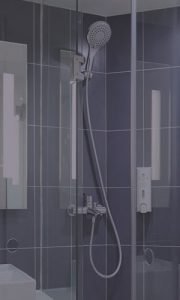
Why did the shower go cold randomly? It’s the worst possible feeling, you’re rushing to get to work and then the shower goes stone cold and you have no idea why. This is an experience that would make anyone grumpy and it often leads to stressed-out calls to the agent or landlord from the tenant. But all this could be solved by taking the time to walk the tenant through the system when they move in or by leaving them a little guide on things to check if this happens.
Devon letting properties have a wide range of hot water systems from those on the more common Combi boilers and Standard boilers to those who have Electric Immersion or Instantaneous Hot water units, whatever happens, your tenants should always have access to hot water. So, making sure you can help tenants to help themselves will not only reduce the calls to you, or your letting agent but will also improve your relationship with your tenants.
The best tip I can give you is to make sure you have an electric shower in at least one bathroom. That way if there are any issues with the boiler or cylinder then the tenants still have hot water for bathing whilst repairs are being done. This is particularly useful if you have an older more temperamental property or one which is off-grid for heating so uses an oil tank or LPG gas bottles.
Rental Property Ventilation
Probably the most common property problem that both tenants and landlords complain about is mould or damp. Tenants blame landlords for renting out a property that is damp and landlords blame tenants for making their property damp or mouldy. The truth is much of the time it’s about miscommunication, education and both parties need to do their bit to help.
Mould or Damp are words that strike fear into most Landlords, and in some cases rightly so. But in many cases, the issues are not caused by a specific issue with the property but rather are caused by condensation and a lack of airflow or proper ventilation. Let’s face it there is a difference between damp and condensation, but they tend to be considered to be the same thing.
 There are things that tenants and landlords can do to reduce it happening. From the landlord’s side, it is worth making sure that there is plenty of ventilation throughout the property, particularly in areas where mould is more common such as bathrooms. Do all the bathrooms have extractors? Do they come on automatically or are they manual? Does the tenant know how and why to use them?
Kitchens can be another problem area – is there good ventilation in the kitchen are appliances installed properly to ensure there is adequate extraction, for example on tumble dryers?
Keeping the property ventilated, is also the job of the tenant and there are many things tenants can do to reduce the chance of damp and mould. As a landlord, it is worth making sure that tenants are aware of these and understand why they are important measures to take. Firstly, to reduce condensation, particularly in the winter it is worth cracking open a window, this can make all the difference. Is there furniture against an external wall? This can lead to a temperature gradient which causes condensation. Are there clothes drying on the radiators? This reduces the airflow and increases the humidity in the room? Using unvented tumble driers indoors?
Improving airflow and reducing temperature gradients is key to reducing condensation and hence the risk of mould.
By tackling these issues pre-emptively and proactively landlords reduce the risk to their property and improve communication with their tenants. For the most part, tenants want to keep the property in good condition and they want to keep the landlord happy so make it easy for them, with advice and support. At Bright Star, we always take the time to investigate any potential problems in a property and provide expert advice on what can be done to reduce the risk of these issues developing. We also go above and beyond to help both our tenants and our landlords to have the best possible working relationship. To find out more contact us today!