
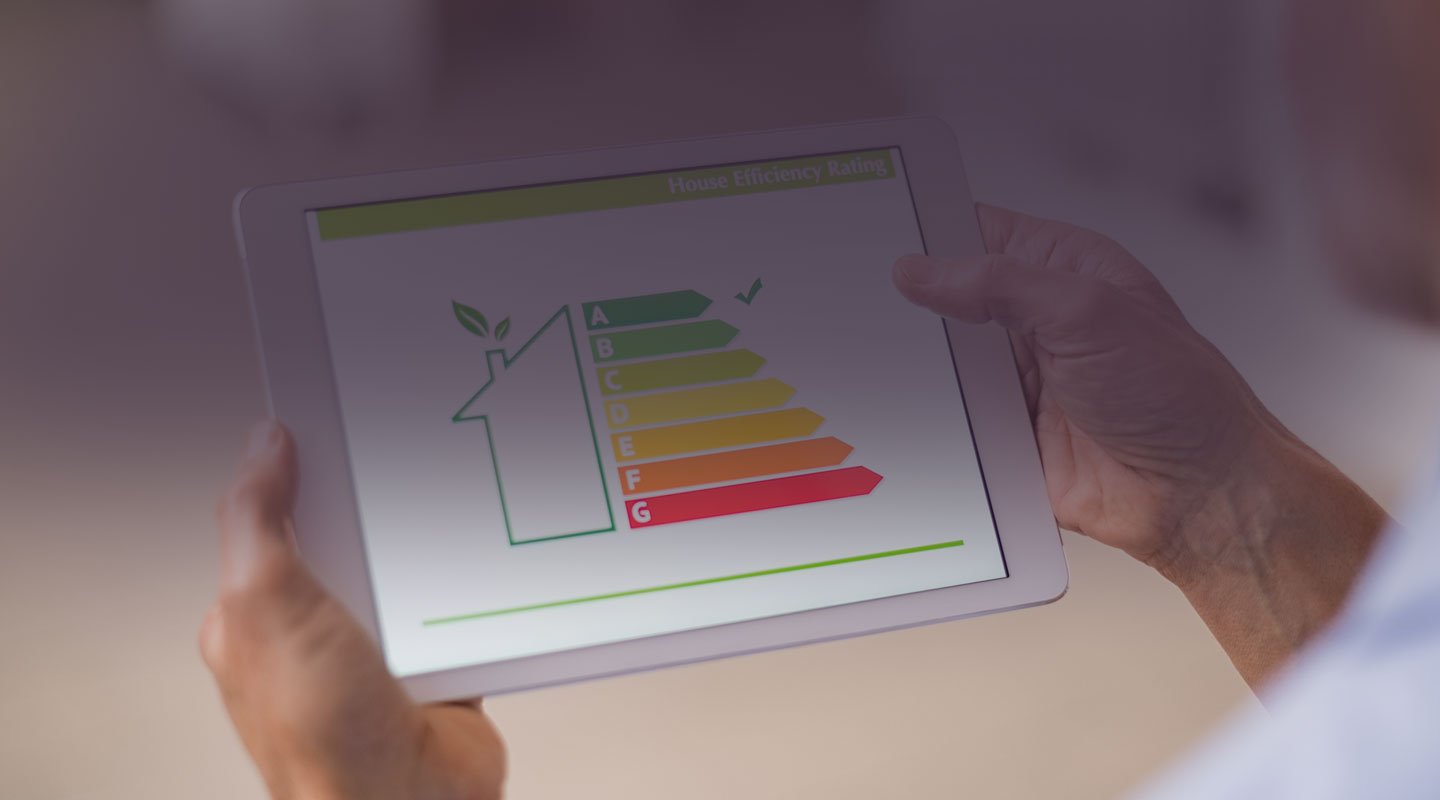
How to Boost Your EPC Rating for Rental Properties
Energy Performance Certificates (EPCs) are required as part of rental property compliance. To be compliant, you must reach a minimum Energy Efficiency Standard of band E or above. But this is likely to change in the upcoming Renters (Reform) Bill, where the proposal is to improve the standard so that private rental properties need to reach a minimum of band C. Despite the importance of an EPC, many landlords overlook them and only complete them at the last minute to achieve their compliance.
At Bright Star, we take a different view. We see EPCs as an opportunity. By completing your EPC in good time, you can take time to consider how you may wish to improve your rating.
The Benefits of a Better EPC Rating
Improving your EPC rating has many benefits for the attractiveness of your property as well as the cost of maintenance.
Legislation and Tenant Appeal
Improving your EPC is not just about compliance with legislation; it also makes your property more attractive to prospective tenants. In today’s eco-aware climate, many tenants avoid properties with low energy efficiency due to higher utility bills and environmental impact concerns.
A proactive approach to EPC improvements also helps to foster good relationships with your tenants, especially now when everyone is feeling the pinch of the cost-of-living crisis.
Cost-Effectiveness
Focusing on smaller, incremental improvements can be much more cost-effective than having to invest in a significant overhaul later. Additionally, improving your EPC can help reduce the chance of issues such as damp or condensation, which in turn reduces your maintenance costs.
Key Measures to Improve Your EPC Rating
At Bright Star, we have our own in-house, fully qualified EPC assessor. Therefore, we can complete assessments for our landlords more quickly by combining it with other visits such as when completing photography. This saves you time and money.
We are also able to provide expert advice on the best options to make the most energy-efficient and cost-effective improvements.
For Properties with Gas Central Heating
Complete Heating Controls
A full set of heating controls is foundational. Ensure your property is equipped with a reliable system that tenants can easily adjust to their comfort levels. This encourages tenants to use heat more effectively by only heating the areas of the rental property that they are using or that they feel require heat. Remote heat control options also allow tenants to adjust their heating while out of the property.
Radiator Thermostats
Heating controls don’t need to be complicated. If installing remote, smart, or whole home systems is cost-prohibitive, you can consider using basic thermostats instead. Installing thermostats on all radiators not only enhances control over heating but also allows for energy and cost savings. It’s a simple upgrade with tangible benefits.
Timed Heating
Using a timer for heating schedules is an excellent way to manage energy usage. Encourage tenants to heat the property only when necessary, avoiding energy waste.
Room Thermostats
For larger homes, consider installing two-room thermostats to create heating zones. This helps in managing the property’s heating needs more efficiently, which tenants will undoubtedly appreciate.
Loft Insulation for an improved EPC
One of the most affordable ways to boost energy efficiency is by prioritizing loft insulation. Aim for the recommended thickness of 300mm. Remember, though, to avoid compressing the insulation as it significantly reduces its effectiveness.
If the loft in your rental property is already well insulated, consider other areas where insulation might be beneficial. This varies between properties and different types of insulation will be more or less appropriate for different property types, so it is important to seek expert advice on where the best improvements can be made in the most cost-effective way.
Heat pumps
Heat pumps would normally involve a significant amount of investment for landlords. However, the current grant scheme could make them an accessible and attractive option for some rental properties. Air source heat pumps are less efficient than ground source, but many rental properties may struggle to install ground source heat pumps due to the costs involved and the amount of disruption caused during installation. Once again, the key is to speak to an expert who can assess your requirements and advise you on the best option for your rental property.
Prohibitive Cost Exemption
It’s worth noting that there might be exemptions available if improving your property to reach a band C EPC rating is prohibitively costly. We’re still waiting on the full details of how this will work, but Bright Star Lettings can assist you with assessing the costs and completing exemption applications when required.
What’s next for your rental property’s EPC?
Improving your rental property’s EPC rating is a step towards not only compliance but also improved marketability and tenant satisfaction. It’s a proactive move in a market where tenants are increasingly cost and environmentally conscious. If you’re unsure where to start or how to navigate the potential exemptions, Bright Star Lettings is here to provide expert guidance and support. Don’t wait for legislative changes to corner you into rushed decisions – start planning your energy efficiency improvements today.